


 教育科学研究
论文题目:
Generative AI in medical education: feasibility and educational value of LLM-generated clinical cases with MCQs
论文作者:
Qi Zhang, Zijing Huang, Yuqiang Huang, Geng Wang, Riping Zhang, Jianling Yang, Yinglin Cheng, Binyao Chen, Hongxi Wang, Kunliang Qiu, Haoyu Chen
张琦,黄梓敬,黄育强,王耿,张日平,杨剑玲,程缨淋,陈镔瑶,王泓熹,邱坤良,陈浩宇
论文摘要:
Objective: To eva luate the feasibility and educational value of employing large language models (LLMs) to generate clinical case scenario with multiple-choice questions (MCQs) for undergraduate medical education.
Methods: Twelve ophthalmology clinical case scenarios with MCQs generated by ChatGPT 4.0 were assessed for quality by eight teachers. High-scoring cases with MCQs were selected for review classes to test students' learning. Student perceptions were collected via in-class and after-class questionnaires using a 5-point Likert scale.
Results: The average quality score of the 12 cases with MCQs was 52.33 ± 5.44 (range: 48-54.25; max=60). There were statistical differences in the teachers' scores for identical clinical cases (F=16.050, P<0.001). Among 20 students, 95% agreed AI-generated cases enriched learning resources, 80% reported improved interdisciplinary integration and learning efficiency, while 85% used LLMs for post-class practice but raised concerns about content accuracy and difficulty calibration.
Conclusion: LLMs like ChatGPT can rapidly generate clinically relevant case scenarios and MCQs under precise prompts, offering a novel tool for educators and learners. However, expert review remains critical to mitigate risks of AI hallucinations (observed in 16.67% of cases, 2/12) and ensure alignment with curricular standards. Key issues included contradictions in imaging descriptions (e.g., inappropriate use of high-frequency ultrasound for chalazion) and diagnostic logic (e.g., inconsistent gonioscopy findings), underscoring the necessity of human oversight to refine content accuracy and educational utility.
Keywords: Large language models, Undergraduate medical education, Clinical case scenarios, Multiple-choice questions
第一作者简介:
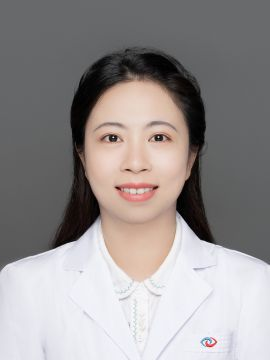
张琦,眼科学硕士,主治医师
2017年毕业于汕头大学,获眼科学硕士学位,毕业至今工作于汕头大学·香港中文大学联合汕头国际眼科中心,现为眼外伤玻璃体视网膜三科主治医师,主要从事眼外伤、玻璃体视网膜、白内障等常见眼病的临床诊疗和研究工作。目前主持市级课题1项,参与广东省临床教学基地教学改革研究项目1项,发表论文10篇(第一作者3篇)。2024年作为主要完成人之一的项目《筋膜囊下浸润麻醉用于眼科局麻手术安全性系列研究及临床应用推广》获评第二届汕头医学科技奖一等奖。
目前担任汕头大学眼视光医学专业《临床眼科学》教学秘书、汕头国际眼科中心教学科挂职副科长,参与眼视光专业《临床眼科学》和临床医学专业《眼科学》的临床授课。2023年编写的《眼化学性烧伤》案例入选中华医学会医学教育分会、全国医学教育发展中心全国高质量临床教学案例;2024年参与编写《眼科医师技能培训大纲》;2025年作为完成人之一的教学成果《“粤港联合、AI赋能”眼科学研究生拔尖创新人才培育体系的探索与实践》获评2025年广东省学校优秀教学成果奖二等奖。
通讯作者简介:
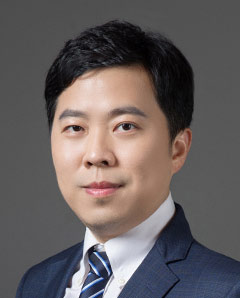
陈浩宇,眼科学博士,主任医师,博士生、硕士生导师
擅长玻璃体视网膜视网膜疾病、白内障和眼外伤的诊治,年手术量2000台。完成微创玻璃体手术、白内障手术上万例。在国内较先开展人工晶体巩膜层间固定、tPA辅助脉络膜上腔出血引流、视网膜下注射、自体视网膜移植等手术,提高了疑难眼病的治疗效果。
作为项目负责人承担国家自然科学基金2项,发表SCI论文199篇,其中第一作者/通讯作者100篇,H指数46(Google Scholar)。担任Eye副主编、Visual Neurosciences副主编,担任Science Advances、Cell Reports Medicine、Ophthalmology、IOVS等60份SCI学术期刊的审稿人。
获得2016年亚太眼科学会成就奖、2018年中国医师协会眼科医师分会第九届全国优秀眼科医师奖、2016-2019连续四年Publons同行评议奖(医学领域审稿人全球前1%),2018 年度江苏省科学技术奖二等奖(第二完成人)、2025年中国医药教育协会科学技术进步奖一等奖。
担任中华医学会眼科学分会眼外伤学组委员、海峡两岸医药卫生交流协会视网膜血管病学组副组长、广东省医学会眼科学分会常委、汕头市医学会眼科学分会主任委员等。入选广东省特支计划和扬帆计划,广东省杰出青年医学人才,汕头市科技创新领军人才。
通知类别:教育科学研究 撰稿人:眼科中心张琦 审核人:教务处
